
Inspiration for Songwriters
For most composers, it is a great idea to soak up inspiration from outside sources to get the creative juices flowing. Inspiration to create requires the mind, body and soul to be at peace and receptive to outside influences. In getting to Z one must first start at A, and it is important that the mind does not harshly prejudge steps B, C and D that are necessary along the path to Z, the final creation of a piece of music.
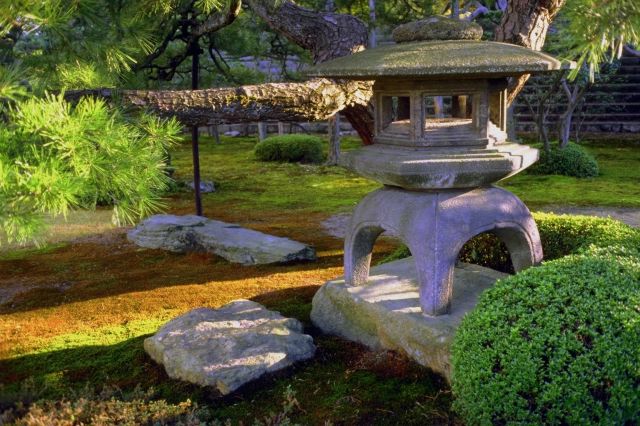
Since the creative part of the brain is somewhat seperate from the analytical part of the brain, it can be very productive to just let the creative juices flow and weed out the ideas that merit further work later.
Staring at a blank page may not be very inspirational to most writers, so there are several things that we can do to get creativity to flow.
One simple trick for popular music styles is to let other works in the style of music that one would like to create play very quietly in the background or in another room. Sometimes the subconscious mind picks out certain things that we thought we heard, that were not played at all, but picking out a groove, melodic pattern, or even text ideas and using this little piece of inspiration as a springboard can help us defeat the blank page woes.
By listening to other compositions in the style we are trying to create, we can also pick out various voicings, chord and modal progressions, lyric subject ideas all the way down to the instrumental blend and arrangement ideas.
The important thing is to regularly create something. Many of the pieces that are created along the way, we may grow tired of even before they can be recorded, but in order to preserve those sparks of creativity that may lead to some of our better work, it is important to periodically document our progress. This can be as simple as having a portable digital recording device or other simple recording device running along in record mode as we work on our ideas, in case we later need to "rewind" to a certain riff or phrase we had been creating.
Although old-style cassettes, or even mini cassettes are simple to archive, there are many great portable digital recorders on the market which make transferring original content a breeze, or just use a phone app. Then work on your creation for further refinement, arranging and editing as well as archiving ideas. This is an excellent first step in solidifying the parts of our work that need more attention.

Later, once a composition is in a more refined state, we should document it by creating a better recording of the piece with a simple arrangement that will highlight some of our tonal ideas to compliment the actual melody, harmonies and lyrics. At this juncture, it is also important to write for one's self and find that within what needs to be expressed.
It is folly to create a piece of music that one thinks other people will like, as we can not possibly judge what others will truly think of our work. Their life experiences are different than ours and their musical tastes will differ from person to person. By producing our best work, we will most likely stay with the project long enough for a song to be a true complete creation that will be part of our individual song collections.
The integration of music with websites will become more popular as websites are continuously transcending from static text based pages to truly interactive multimedia pages featuring full motion video and digital audio for the web. For classical enthusiasts, a visit to the Carnegie Hall listening adventure website shows how music can be integrated with flash web graphics. Stories help children feel the music rather than just hearing it. Carnegie Hall delivers a multi-sensory experience.
If you enjoy creating or playing popular music, check out our pages on many songs over time that went either gold or platinum back when counting records representing people truly voting with their wallets. For a current look at popular music, look no further than Itunes.
Ah the good old days for the record companies and the mega-stars, we can still learn from these extremely popular compositions that not only stood the test of time, but each have unique musical qualities that have proven to be some of the most popular. Reviewing some of these songs from the craftspeople and songwriters of yesterday may hopefully provide a spark of inspiration to pick up where they left off and create your own, new great music.
See the Popular Music page for more:
Twitter
Google+
Pinterest